
Medical Simulation Market Expected to Hit US$ 7,471.1 Million

Medical Simulation Market
Introduction
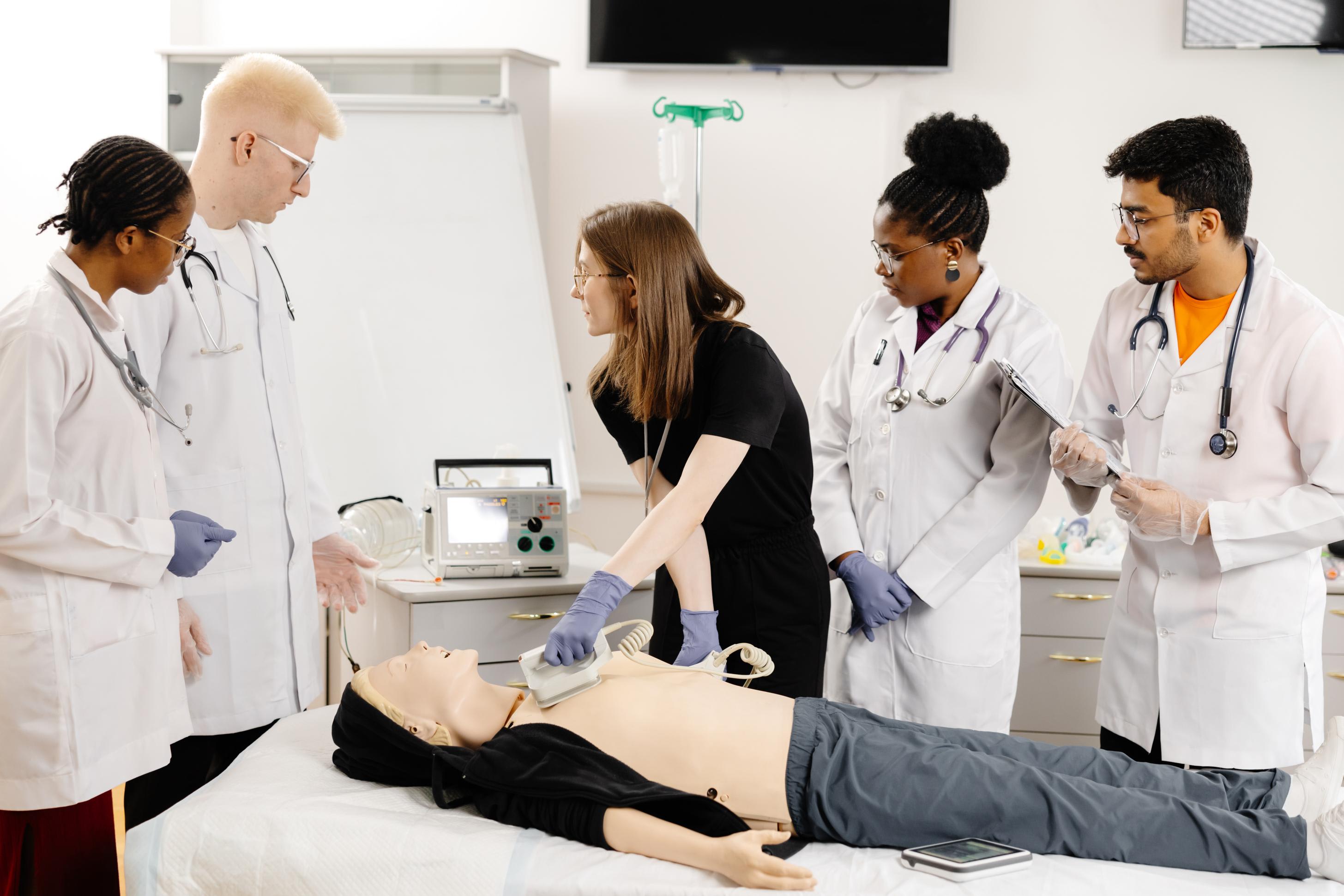
The global medical simulation market is experiencing significant growth, with innovations in healthcare training technology revolutionizing the way medical professionals learn and practice. The medical simulation industry is at the forefront of transforming medical education by providing realistic, risk-free environments for medical professionals to practice and hone their skills. From virtual reality (VR) and augmented reality (AR) to high-fidelity manikins and interactive simulators, these technologies allow healthcare professionals to experience realistic medical scenarios and improve their skills in diagnosis, treatment, and patient care.
This report analyzes the current state of the medical simulation market, explores the key factors driving its growth, identifies emerging trends, and provides projections for its future. With a compound annual growth rate (CAGR) of 13.5%, the medical simulation market is expected to reach US$ 7,471.1 million by 2033, up from US$ 2,099.7 million in 2023, according to Persistence Market Research.
Market Projections and Forecast
As healthcare systems worldwide continue to evolve, the need for effective training solutions for medical professionals is becoming increasingly crucial. The global medical simulation market is projected to grow at a robust CAGR of 13.5% during the forecast period from 2023 to 2033. By 2033, the market is expected to reach US$ 7,471.1 million, driven by advancements in simulation technologies, increased investments in medical education, and the growing demand for skilled healthcare workers.
The market’s rapid growth is fueled by several factors, including the rise in medical errors, the need for effective clinical training, technological innovations, and the integration of simulation-based training into medical curriculums across the globe.
Get a Sample PDF Brochure of the Report (Use Corporate Email ID for a Quick Response): www.persistencemarketresearch.com/samples/32070
Market Dynamics
Drivers of Market Growth
Advancements in Medical Simulation Technologies
The development and adoption of advanced technologies such as virtual reality (VR), augmented reality (AR), mixed reality (MR), and high-fidelity simulators have revolutionized medical education. These technologies allow medical professionals to practice complex medical procedures in a safe and controlled environment, enhancing their clinical skills and decision-making abilities without the risks associated with real-life patients.
Growing Demand for Skilled Healthcare Professionals
The increasing demand for skilled healthcare workers, particularly in light of aging populations and the growing prevalence of chronic diseases, has led to a heightened focus on medical education. Medical simulation offers a scalable and effective way to train healthcare professionals, enabling them to gain hands-on experience and improve their skills in a risk-free environment.
Rising Focus on Patient Safety and Reducing Medical Errors
Medical simulation is playing a crucial role in reducing medical errors, which are a leading cause of patient harm. By providing healthcare professionals with realistic training scenarios, simulations help them refine their skills, practice emergency responses, and learn how to handle complex medical situations, ultimately improving patient safety and quality of care.
Integration of Simulation-Based Learning in Medical Curriculums
Medical schools and healthcare institutions are increasingly incorporating simulation-based learning into their curriculums to enhance the practical training of medical students. Simulation helps bridge the gap between theoretical knowledge and real-world application, providing students with the experience and confidence needed to perform procedures effectively.
Challenges in the Market
High Costs of Simulation Equipment
One of the key barriers to the widespread adoption of medical simulation technologies is the high cost associated with acquiring and maintaining simulation equipment. High-fidelity manikins, VR/AR systems, and simulation centers require significant investment in both hardware and software, making it difficult for smaller healthcare institutions or medical schools to implement these solutions.
Lack of Skilled Instructors for Simulation-Based Training
Despite the growing adoption of medical simulation technologies, there is a shortage of trained instructors who can effectively use these tools in training scenarios. Properly trained instructors are essential to ensure that simulation exercises are conducted correctly and effectively, which can limit the full potential of medical simulation programs.
Limited Standardization in Simulation Practices
There is currently a lack of standardization in medical simulation practices across institutions and countries. This makes it challenging to create universal training models and ensure consistent quality in medical education. Establishing standardized protocols and guidelines for simulation training could help mitigate this issue.
Market Trends and Technological Innovations
The medical simulation market is characterized by several key trends and innovations that are shaping its future.
Virtual and Augmented Reality Integration
Virtual reality (VR) and augmented reality (AR) are two of the most transformative technologies in medical simulation. VR allows users to immerse themselves in fully interactive medical scenarios, while AR overlays digital information onto the physical world, offering real-time data and guidance during procedures. These technologies enhance training by providing more engaging, hands-on learning experiences.
Increased Use of High-Fidelity Simulators
High-fidelity simulators are designed to closely replicate real-life medical procedures and patient responses, allowing medical professionals to practice complex procedures such as surgery, emergency care, and anesthesia management. The increased adoption of these simulators is providing healthcare providers with more realistic and effective training tools.
Patient-Specific Simulation for Personalized Training
Patient-specific simulation models, which are created based on real patient data, are gaining popularity in medical education. These models allow healthcare professionals to practice personalized treatment plans, honing their skills in addressing unique patient needs. This innovation is particularly valuable in areas like oncology, cardiology, and personalized medicine.
Cloud-Based Simulation Solutions
Cloud-based medical simulation platforms are becoming more prevalent, enabling healthcare institutions to access simulation tools and educational resources remotely. This trend is particularly beneficial for institutions with limited resources or those located in remote areas, as it allows for more flexible and affordable training options.
Medical Simulation Market Segmentation
By Type
Patient Simulation
Includes simulators for training medical professionals on patient care, diagnosis, and medical procedures.
Surgical Simulation
Focuses on training surgeons through realistic surgical simulators that replicate human anatomy and provide real-time feedback.
Medical Robotics Simulation
Uses robotic systems to simulate surgeries or medical procedures, enabling healthcare professionals to practice with robotic-assisted technologies.
By End-User
Academic Institutions
Medical schools and universities are among the largest users of medical simulation technologies, integrating them into their medical training programs.
Hospitals & Healthcare Providers
Healthcare institutions use medical simulation for training staff in emergency response, surgical procedures, and patient care.
Military
Simulation is also used for military training to prepare medical professionals for combat-related injuries and field surgeries.
Others
Includes research institutions and independent training centers.
By Region
North America
North America is the largest market for medical simulation, driven by well-established healthcare infrastructure, high investments in healthcare training, and widespread adoption of advanced simulation technologies.
Europe
Europe is also a significant market, with countries like Germany and the UK leading in the development and adoption of medical simulation technologies.
Asia-Pacific
The Asia-Pacific region is expected to see substantial growth in the medical simulation market, driven by increasing investments in healthcare education, rising demand for skilled healthcare professionals, and the adoption of simulation technologies in emerging economies.
Latin America & Middle East & Africa
These regions are witnessing growing adoption of medical simulation technologies, particularly in urban centers, as healthcare systems continue to modernize.
Key Companies Profiled in the Report
CAE Inc.
Laerdal Medical
Kongar Medical
Simulab Corporation
3D Systems, Inc.
Mentice AB
Medical Simulation Corporation
VirtaMed AG
Osso VR
Simbionix (part of 3D Systems)
Future Outlook
The medical simulation market is set to continue its robust growth as the healthcare industry increasingly embraces digital transformation. The ongoing development of immersive technologies such as VR, AR, and MR, combined with the rising demand for high-quality medical education and patient safety, will continue to fuel market expansion.
As more healthcare institutions integrate simulation-based training into their educational and clinical practices, the market will experience heightened demand for advanced simulation systems, including surgical, diagnostic, and patient care models. Standardization efforts, along with technological innovations, will help overcome current challenges and unlock new opportunities for market players.
With a projected CAGR of 13.5% from 2023 to 2033, the medical simulation market is poised to reach new heights, contributing to the advancement of healthcare education, the reduction of medical errors, and the overall improvement of patient care outcomes.
Conclusion
The medical simulation market is witnessing significant growth driven by technological advancements, increasing demand for skilled healthcare professionals, and a rising focus on patient safety. As the industry continues to evolve, the integration of simulation technologies into medical curriculums and clinical training programs will further enhance the quality and accessibility of healthcare education. The market’s projected growth indicates promising opportunities for stakeholders to drive innovation and expand their presence in this rapidly evolving sector.
Read More Trending “PMR Exclusive Article”:
• https://www.linkedin.com/pulse/enterprise-mobility-management-market-top-tools-dj5nf
• https://www.linkedin.com/pulse/pcb-design-software-market-trends-shaping-future-wowcf
• https://www.linkedin.com/pulse/ultra-high-molecular-weight-polyethylene-te40f/
• https://www.linkedin.com/pulse/acrylonitrile-butadiene-styrene-market-demand-trends-building-patil-6yjif
• https://www.linkedin.com/pulse/flex-fuel-vehicles-market-potential-sustainable-solutions-4c6sf/
• https://www.linkedin.com/pulse/engine-tuner-market-trends-shaping-future-automotive-5lh7f/
Contact Us:
Persistence Market Research
G04 Golden Mile House, Clayponds Lane
Brentford, London, TW8 0GU UK
USA Phone: +1 646-878-6329
UK Phone: +44 203-837-5656
Email: [email protected]
Web: https://www.persistencemarketresearch.com
About Persistence Market Research:
At Persistence Market Research, we specialize in creating research studies that serve as strategic tools for driving business growth. Established as a proprietary firm in 2012, we have evolved into a registered company in England and Wales in 2023 under the name Persistence Research & Consultancy Services Ltd. With a solid foundation, we have completed over 3600 custom and syndicate market research projects, and delivered more than 2700 projects for other leading market research companies’ clients.
Our approach combines traditional market research methods with modern tools to offer comprehensive research solutions. With a decade of experience, we pride ourselves on deriving actionable insights from data to help businesses stay ahead of the competition. Our client base spans multinational corporations, leading consulting firms, investment funds, and government departments. A significant portion of our sales comes from repeat clients, a testament to the value and trust we’ve built over the years.
This release was published on openPR.
link



![Locum tenens offers physicians a path to freedom [PODCAST]](https://kevinmd.com/wp-content/uploads/Design-4-scaled.jpg "Locum tenens offers physicians a path to freedom [PODCAST]")
