Chairside learning on undergraduate clinics: general dental and human disease themes

Online surveys typically receive response rates of 20-47%.11 Our survey received an overall response rate of 62% (ranging between 58-64% for the year groups), suggesting our results are applicable to the wider student group. Reminder emails have also been shown to improve response rates.12
From the free-text comments, it was clear that the surveyed dental students recognised that they were engaged in chairside learning in most clinics, and that for HD topics, it was mainly in the service clinics of oral medicine, oral surgery, sedation and the dental emergency clinic. The restorative DEC clinic is where students spend most of their undergraduate clinical teaching time; therefore, it was not surprising that this was the clinic they felt they experienced most general dental chairside teaching.
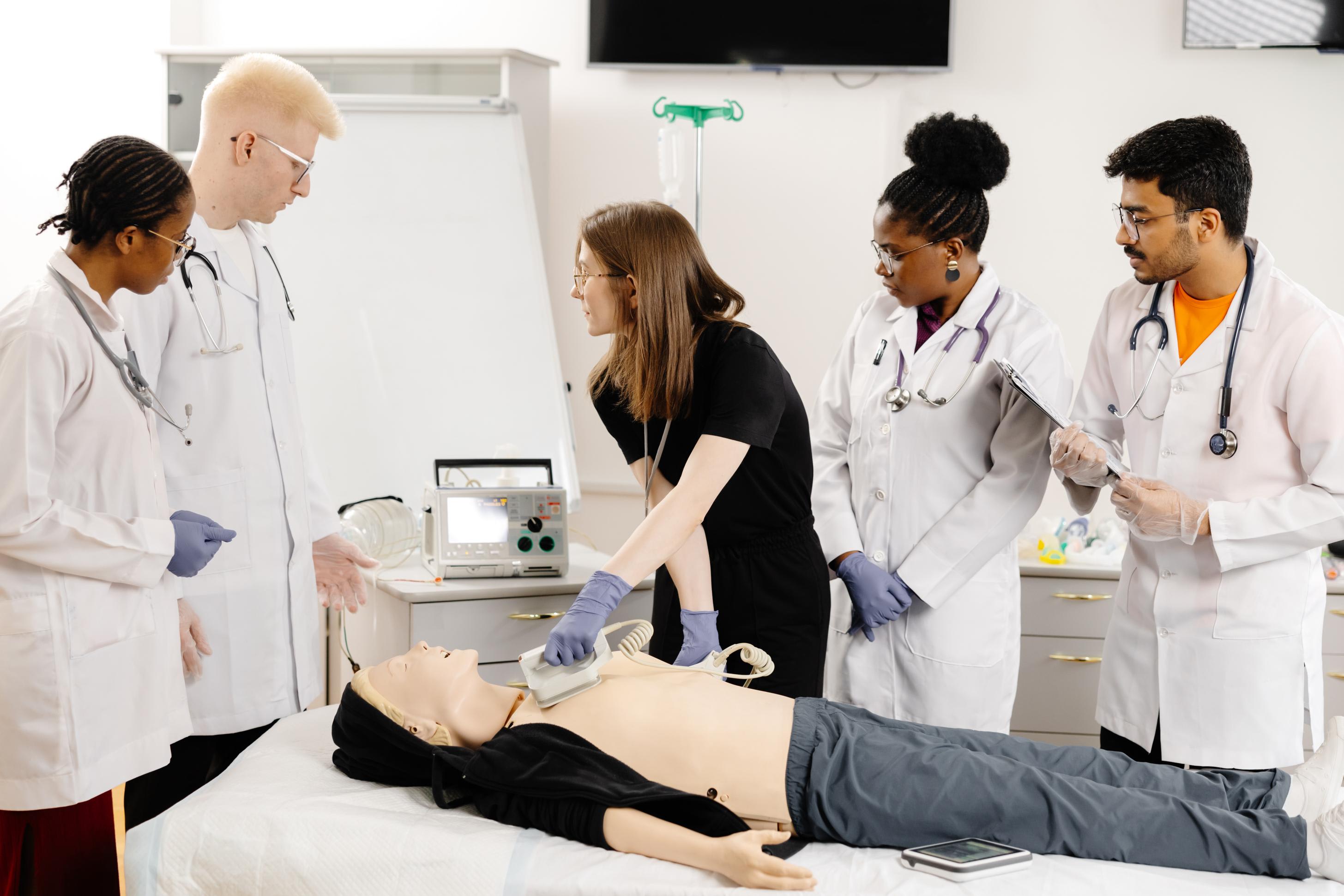
The dental emergency clinic and oral surgery LA extraction clinic has a high patient turnover, with short treatment episodes, therefore providing ample opportunities for chairside teaching in both general dentistry and HD topics. The complex medical histories of patients on DEC,8 dental emergency and oral surgery clinics are particularly useful for learning about medicine of relevance to dentistry, and related discussions with staff are common.
In the restorative DEC clinics, the supervisors are more often experienced general dental practitioners (GDPs) who work one or two sessions a week in the dental school, or university lecturers who are former GDPs without dental specialty training. They can supervise, teach and pass on the wisdom of experience, and clearly this was recognised by the students in the form of chairside learning in relation to general dental topics.
On the dental service clinics, there will be specialists who may be consultants or senior lecturers, as well as mid-grade staff who are experienced clinicians and comprise a mix of university lecturers and NHS service delivery staff. HD learning was most recognised from consultant/professor/senior lecturer staff, who are more likely to routinely provide services within this domain, such as on oral medicine service clinics. Dental core trainees and senior house officers, who are the least experienced staff (typically between one and three years qualified), were also recognised as providing chairside teaching, and some of the free-text comments suggested that students welcomed teaching from these colleagues, who are only a few years ahead of them in their dental careers.
Sweet et al. (2008) reported that ‘dental tutors appeared to be enthusiastic subject specialists or practitioners who were keen to transfer their skills to the students’,13 which mirrors the student experiences reported in this study. Similarly, Gerzina et al. (2005) emphasised ‘the value of providing time and resources for clinical demonstrations, faculty development in empathic skills, and the restructuring of clinical sessions to include time for discussion of clinical objectives, clinical alternatives, adequate feedback, and clinical demonstrations’.14
Henzi and colleagues (2005) investigated North American dental students’ perspectives about their clinical education, finding that students were most appreciative of a faculty that were ‘knowledgeable and eager to help’ and they noted how fortunate they were to ‘work with faculty who had a firm understanding of clinical skills and the ability to communicate these skills at the students’ level of understanding’.15 This echoes the findings of our study where chairside teaching by enthusiastic and knowledgeable staff was greatly appreciated by the clinical dental students.
Gimson et al. (2019) suggested practical ways that bedside teaching should be encouraged to ensure its longevity, in a time of increasing time pressures and demands on NHS staff which often hamper such ad hoc learning opportunities.16 This bedside teaching in medicine is immediately analogous to chairside teaching in dental clinics, and the same levels of support and encouragement should come from dental schools to their staff as it should within medical schools.
As well as having value to those ‘being taught’, bedside teaching has been shown to benefit junior doctors who provide bedside teaching,17 and for the patient who is the focus of the informal teaching session.18,19
link

![Locum tenens offers physicians a path to freedom [PODCAST]](https://kevinmd.com/wp-content/uploads/Design-4-scaled.jpg "Locum tenens offers physicians a path to freedom [PODCAST]")