Navigating Uncertainty: The Clinical Education Program Supports Immigrant Communities | Colorado Law
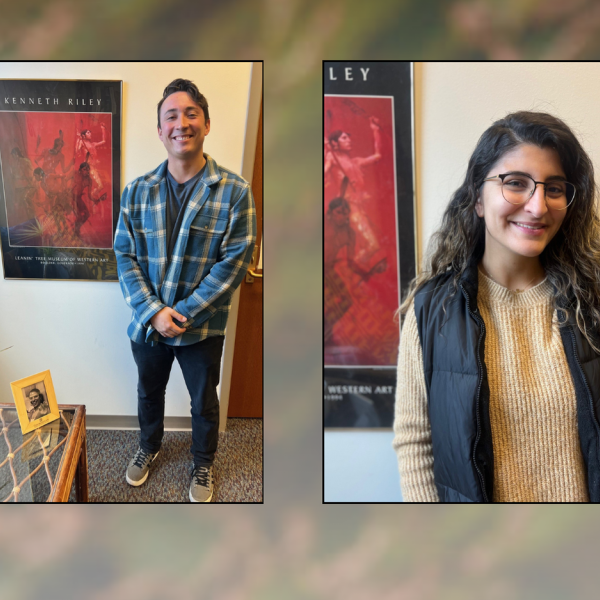
Hunter Parnell ’26 and Natalie Musa ’25, students in Colorado Law’s Immigration Clinic, share their experiences advocating for immigrant clients in the current political climate.
Why did you choose to participate in the Immigration Clinic?
HP: I chose the Immigration Clinic because I came to law school to become a public defender. Many clients who go through the criminal legal system also have immigration-related issues tied to their cases, and I wanted to learn how to support them effectively.
NM: I chose the Immigration Clinic for several reasons. I wanted to explore different areas of law, and this clinic gave me the chance to gain courtroom experience while also working on immigration and criminal law cases. Additionally, I have non-U.S. citizen family members and friends, and I wanted to learn more about immigration law to better support them.
How do you anticipate the election results affecting the clients you serve?
HP: For clients facing criminal charges with immigration consequences, they’re entitled to a public defender, which provides them some level of protection. But for people dealing only with immigration issues, the situation is much less certain.
We’re especially concerned about DACA (Deferred Action for Childhood Arrivals) and TPS (Temporary Protected Status) recipients. If the administration ends DACA and TPS, it’s unclear what will happen to these individuals. Many DACA recipients have lived in the U.S. since they were 1 or 2 years old, and without a path to citizenship, their futures are in limbo. Similarly, many TPS recipients have been in the U.S. for 10 to 20 years, and the countries they left are now unfamiliar to them.
There are over 1 million asylum seekers stuck in a backlog, and they face unique risks because they are not entitled to an attorney. This is a significant concern for the clinic because these individuals, who tried to follow the rules, will be the easiest targets for enforcement.
NM: I’ve been getting a lot of emails from clients who are worried about what’s going to happen. We don’t have many answers yet, but clients are eager to move forward with their cases out of fear that the new administration might delay or deny their applications. We’re trying to advise them on how to stay safe and navigate these uncertainties.
How might the clinic’s advocacy efforts change given the political climate?
HP: We’re focusing on outreach to these vulnerable communities. Our goal is to partner with organizations to provide education and resources so people are better prepared for what might happen.
NM: We’ve talked about hosting focus groups on areas the administration may target and holding more information sessions to provide general advice and resources. Our goal is to support as many people as possible.
What has been your greatest takeaway from your clinic experience so far?
HP: I’ve realized just how broken our immigration system is. Many people genuinely want to follow the rules, but the system makes it nearly impossible for them to comply. It’s a system built on luck.
For instance, if a DACA recipient marries a U.S. citizen, they have a pathway to citizenship. But if someone was brought here as a child without DACA protections, there’s no pathway at all. It’s fundamentally unfair and frustrating. This experience has opened my eyes to how many people in our communities have undocumented or uncertain statuses, and how difficult it is for them to navigate this system, even when they want to do things the right way.
NM: The courtroom experience has been invaluable. I’ve learned how to communicate with judges, handle opposing counsel, and navigate courtroom procedures. Building trust with my clients and knowing I’m making a positive impact in their lives has been deeply rewarding.
link

![Locum tenens offers physicians a path to freedom [PODCAST]](https://kevinmd.com/wp-content/uploads/Design-4-scaled.jpg "Locum tenens offers physicians a path to freedom [PODCAST]")