The government has decided to allow 8,000 medical students who have been paid for refusing classes t..

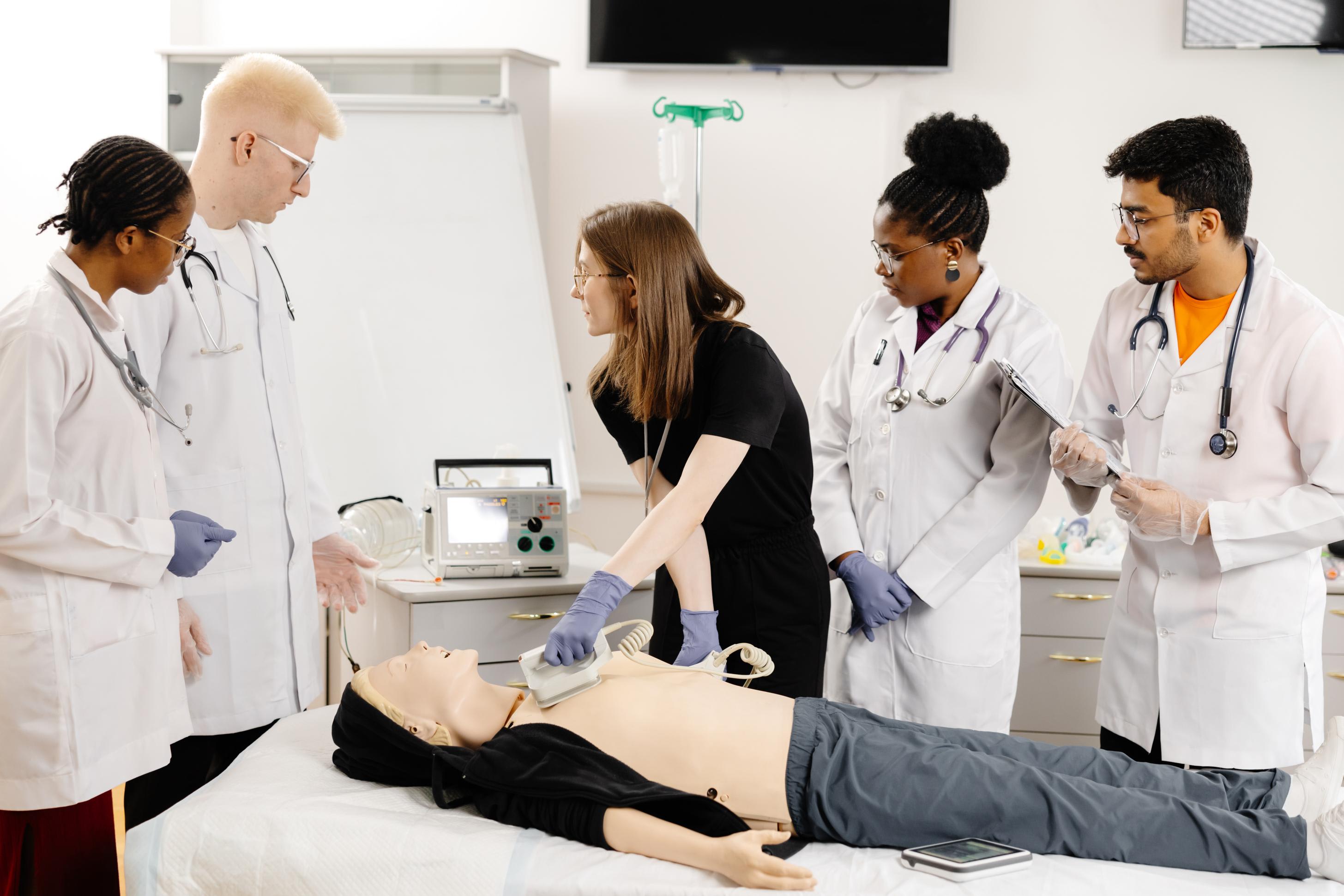
![A gown hangs in the lecture room of a medical school in downtown Seoul. [Photo source = Yonhap News]](https://wimg.mk.co.kr/news/cms/202507/25/news-p.v1.20250725.4d804aec39a84ae19b7cefa2be0a3571_P1.png)
The government has decided to allow 8,000 medical students who have been paid for refusing classes to return to the second semester in protest against the policy of increasing medical schools. Additional tests will also be conducted so that third and fourth graders who return to the second semester can take the national medical examination (national examination).
Yoon Suk Yeol’s policy to increase medical schools is aimed at normalizing medical education, which has been crippling for about a year and a half since February last year, but critics say it is providing excessive preferential treatment to medical students who refuse to take classes.
On the 25th, the Ministry of Education announced that it would respect and support the position of the General Council for Advancement of Medical Colleges (U.S. General Association) on the normalization of medical education through the “Government Position on Returning and Education of Medical Colleges”.
The Korean Medical Association, a group of presidents of 40 universities nationwide with medical schools, decided to return to the second semester of 8,000 medical students who were paid for not returning to the first semester after discussing with the Korea Medical University and Medical Graduate Association (KAMC), a group of medical school deans nationwide, and delivered a statement to the government.
Many medical schools operate under a “grade system” that organizes academic courses on a yearly basis, making it impossible to return to the second semester if paid is confirmed according to the current school regulations. In consultation with the Ministry of Education, the Korean Medical Association plans to change the school rules from the “grade system” to the “semester system” to allow paid students to return to the second semester.
According to a statement delivered by the Korea Medical Association to the Ministry of Education, if unreturned medical students take classes from the second semester, they will be educated by grade and will use vacation to complete university credits in the first semester.
Through this, preliminary and first and second graders will be promoted normally in March next year. The 4th graders of the main course, who take classes mainly for clinical practice, will graduate in August next year.
The time of graduation for the third year of the main course, which was the biggest challenge in the plan to return to medical students, was decided to leave it to the voluntary choice of universities in February and August 2027.
Because each university has a different clinical practice period, some college main students who graduate in February 2027 will graduate one semester less than the six-year period of pre-school and main courses set by the school regulations.
The Korean Medical Association asked the government for financial support, saying, “The government and universities will prepare guidelines for academic management together to facilitate academic management and revise school regulations for each university.”
However, the Korean Medical Association decided to maintain the already paid disposition, saying, “The administration of academic affairs for those who do not attend classes in the first semester of this year is in accordance with the school regulations of each university.”
The Korean Medical Association also asked the government to conduct an additional national examination for doctors only for third and fourth graders who will graduate in August, and the government effectively accepted it, saying it plans to “review it.”
The Korean Medical Association said it will do its best to protect students who are already receiving education after returning to school in the first semester.
Regarding the proposal, the Ministry of Education confirmed its acceptance policy, saying, “We respect the position of the General Assembly, recognize the autonomy and responsibility of individual university students, and actively promote necessary administrative and financial support.”
He added, “If universities come up with creative measures for academic management within the scope of related laws and school regulations, we will also fully review and support them.”
However, controversy over preferential treatment seems inevitable as the government accepts the university presidents’ suggestions such as changing major school rules, shortening the duration of education, and implementing additional state exams to return to the second semester of paid students. By the morning of the 17th, more than 64,000 people had agreed to the “filing against granting preferential treatment to medical students and medical residents” posted on the National Assembly’s electronic petition.
link
/https://i.s3.glbimg.com/v1/AUTH_63b422c2caee4269b8b34177e8876b93/internal_photos/bs/2026/4/u/0e7IH5TTOUfF9hDAnG0A/foto21bra-101-inep-a2.jpg "Education agency says medical exam results stand, opens appeals window")


![Locum tenens offers physicians a path to freedom [PODCAST]](https://kevinmd.com/wp-content/uploads/Design-4-scaled.jpg "Locum tenens offers physicians a path to freedom [PODCAST]")